 Image 1 of 2
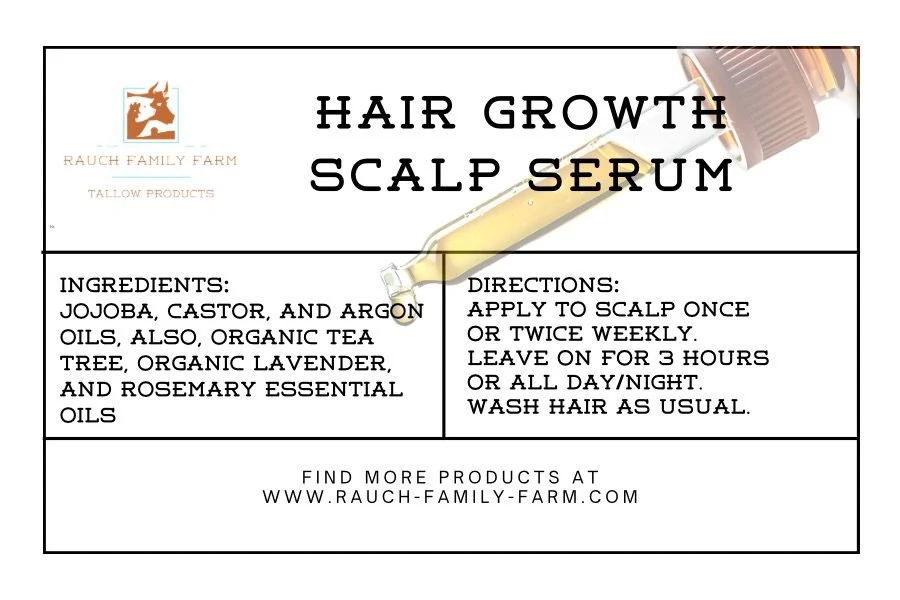 Image 2 of 2
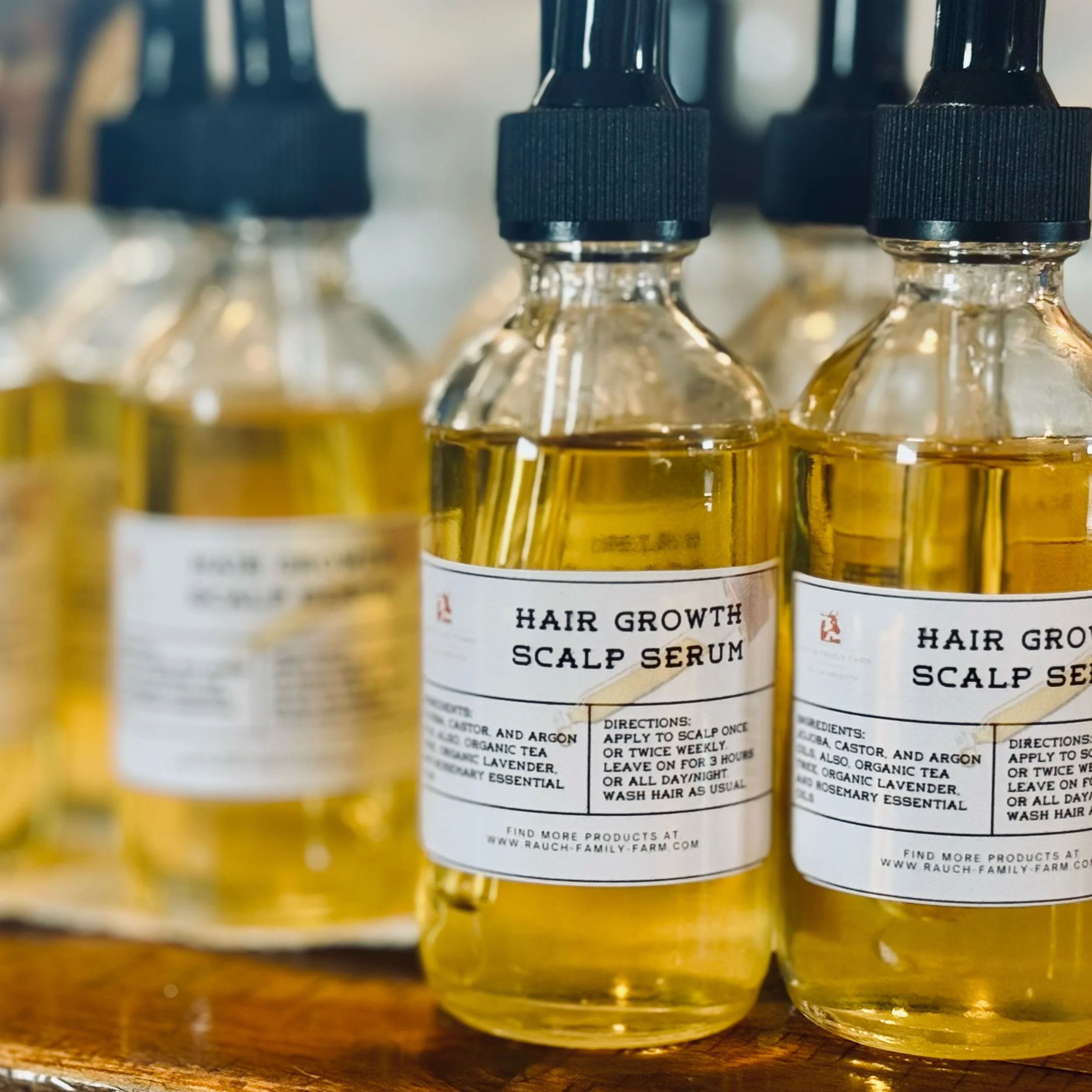
INGREDIENTS:
JOJOBA, CASTOR, AND ARGON OILS, ALSO, ORGANIC TEA TREE, ORGANIC LAVENDER, AND ROSEMARY ESSENTIAL OILS
Castor oil
Rich in ricinoleic acid, which can increase scalp circulation and may promote hair growth by improving nutrient delivery to hair follicles.
Highly viscous and humectant, helping retain moisture on the scalp and along the hair shaft to reduce breakage.
Antimicrobial and anti-inflammatory properties can help soothe irritated scalps and reduce dandruff.
Jojoba oil
Structurally similar to sebum, it helps normalize scalp oil balance by dissolving excess sebum without stripping natural oils.
Lightweight and non-comedogenic, it moisturizes hair and scalp without clogging follicles.
Penetrates hair to condition and add shine while reducing brittleness.
Tea tree essential oil
Strong antimicrobial and antifungal activity that targets scalp pathogens (like Malassezia) involved in dandruff and seborrheic dermatitis.
Anti-inflammatory actions reduce itching and irritation, supporting a healthier scalp surface.
Can help clear follicular blockages that impede healthy hair growth when used diluted.
Lavender essential oil
Antimicrobial and soothing: Lavender has mild antimicrobial and anti-inflammatory properties that can reduce irritation, itching, and scalp inflammation, helping create a healthier environment for hair growth.
Promotes circulation and relaxation: Aromatic components may promote local blood circulation when massaged into the scalp, and its calming scent can reduce stress-related hair-shedding triggers.
Potential to support growth: Some animal and small human studies suggest lavender oil can increase hair follicle activity and promote hair growth when applied regularly in a carrier oil; evidence is promising but not definitive.
Common constituents: Linalool and linalyl acetate contribute to anti-inflammatory and calming effects.
Use and dilution: Typical topical dilution is 0.5–2% in a carrier oil (about 3–12 drops per ounce of carrier). Perform a patch test first and avoid applying undiluted to the scalp.
Rosemary essential oil
Improves circulation and stimulates follicles: Rosemary oil is associated with increased scalp blood flow and has been linked in some human studies to improved hair density and reduction in hair loss, particularly androgenic-type thinning.
Anti-inflammatory and antioxidant actions: Compounds in rosemary (e.g., 1,8-cineole, rosmarinic acid) provide anti-inflammatory and antioxidant effects that can protect follicles from oxidative stress and chronic inflammation.
May inhibit DHT-related pathways: Preliminary research indicates rosemary oil can help counteract mechanisms involved in androgenic hair loss, performing comparably to some conventional treatments in small studies.
Antimicrobial properties: Helps control scalp dandruff and microbial imbalances that can impair hair health.
Use and dilution: Common topical dilution is 1–2% in a carrier oil (about 6–12 drops per ounce). For hair rinses, add a few drops to shampoo or carrier-based rinses. Patch test before broader use.
Conclusion:
These oils have supportive laboratory and clinical data for improving scalp health and supporting hair growth, with rosemary having stronger human trial evidence for reducing hair loss in androgenic alopecia. Overall results vary by individual, and consistent, long-term use combined with good scalp care yields the best outcomes.
INGREDIENTS:
JOJOBA, CASTOR, AND ARGON OILS, ALSO, ORGANIC TEA TREE, ORGANIC LAVENDER, AND ROSEMARY ESSENTIAL OILS
Castor oil
Rich in ricinoleic acid, which can increase scalp circulation and may promote hair growth by improving nutrient delivery to hair follicles.
Highly viscous and humectant, helping retain moisture on the scalp and along the hair shaft to reduce breakage.
Antimicrobial and anti-inflammatory properties can help soothe irritated scalps and reduce dandruff.
Jojoba oil
Structurally similar to sebum, it helps normalize scalp oil balance by dissolving excess sebum without stripping natural oils.
Lightweight and non-comedogenic, it moisturizes hair and scalp without clogging follicles.
Penetrates hair to condition and add shine while reducing brittleness.
Tea tree essential oil
Strong antimicrobial and antifungal activity that targets scalp pathogens (like Malassezia) involved in dandruff and seborrheic dermatitis.
Anti-inflammatory actions reduce itching and irritation, supporting a healthier scalp surface.
Can help clear follicular blockages that impede healthy hair growth when used diluted.
Lavender essential oil
Antimicrobial and soothing: Lavender has mild antimicrobial and anti-inflammatory properties that can reduce irritation, itching, and scalp inflammation, helping create a healthier environment for hair growth.
Promotes circulation and relaxation: Aromatic components may promote local blood circulation when massaged into the scalp, and its calming scent can reduce stress-related hair-shedding triggers.
Potential to support growth: Some animal and small human studies suggest lavender oil can increase hair follicle activity and promote hair growth when applied regularly in a carrier oil; evidence is promising but not definitive.
Common constituents: Linalool and linalyl acetate contribute to anti-inflammatory and calming effects.
Use and dilution: Typical topical dilution is 0.5–2% in a carrier oil (about 3–12 drops per ounce of carrier). Perform a patch test first and avoid applying undiluted to the scalp.
Rosemary essential oil
Improves circulation and stimulates follicles: Rosemary oil is associated with increased scalp blood flow and has been linked in some human studies to improved hair density and reduction in hair loss, particularly androgenic-type thinning.
Anti-inflammatory and antioxidant actions: Compounds in rosemary (e.g., 1,8-cineole, rosmarinic acid) provide anti-inflammatory and antioxidant effects that can protect follicles from oxidative stress and chronic inflammation.
May inhibit DHT-related pathways: Preliminary research indicates rosemary oil can help counteract mechanisms involved in androgenic hair loss, performing comparably to some conventional treatments in small studies.
Antimicrobial properties: Helps control scalp dandruff and microbial imbalances that can impair hair health.
Use and dilution: Common topical dilution is 1–2% in a carrier oil (about 6–12 drops per ounce). For hair rinses, add a few drops to shampoo or carrier-based rinses. Patch test before broader use.
Conclusion:
These oils have supportive laboratory and clinical data for improving scalp health and supporting hair growth, with rosemary having stronger human trial evidence for reducing hair loss in androgenic alopecia. Overall results vary by individual, and consistent, long-term use combined with good scalp care yields the best outcomes.